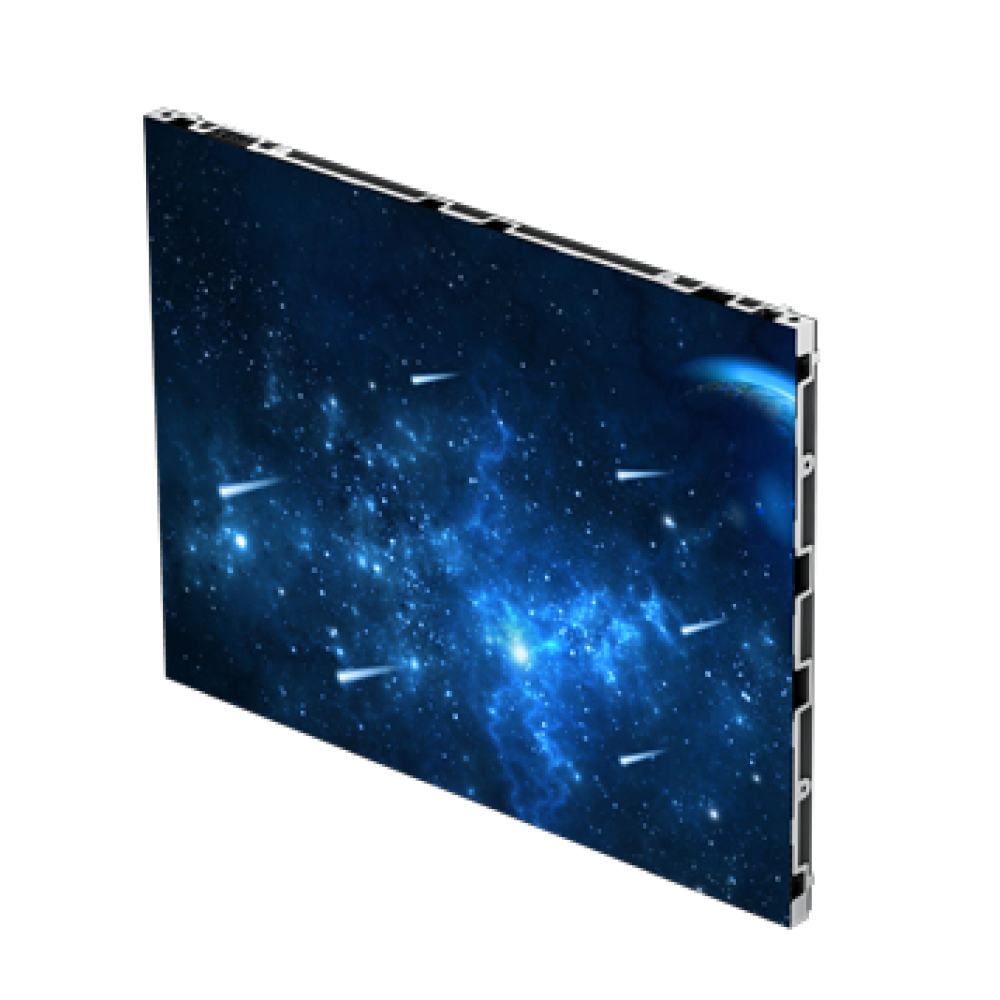
As we enter 2026, the demand for Ultra-HD and Micro LED displays is skyrocketing. While SMD (Surface Mounted Device) remains the cost-effective industry standard, COB (Chip-on-Board) is rapidly becoming the go-to for high-end, fine-pitch applications. This guide compares their performance, durability, and cost to help you make an informed decision.
SMD involves individual LED lamps soldered onto the surface of a PCB. It has been the backbone of the display industry for over two decades.

COB (Chip-on-Board) mounts bare LED chips directly onto the substrate. This "package-less" design is the foundation of Micro LED technology.

| Feature | Traditional SMD Packaging | Next-Gen COB Packaging |
| Light Source | Point Light Source (Higher Glare) | Surface Light Source (Softer & Uniform) |
| Protection Level | Low (Exposed beads, prone to damage) | High (Fully sealed, anti-collision/moisture) |
| Thermal Resistance | High (Multi-layer heat path) | Ultra-Low (Direct heat dissipation) |
| Pixel Pitch | Best for P1.2 to P10 | Dominant in P0.4 to P1.2 |
| Maintenance | Single-bead on-site repair | Module-level factory repair |
| Total Value | Lower upfront cost | Superior long-term ROI & durability |
Still debating between SMD's affordability and COB's performance? Our consultants are here to help you calculate the Total Cost of Ownership (TCO) for your 2026 installation.
This is the latest article
LED Display Industry Trends 2026: A Deep Dive into AI and COB Tech